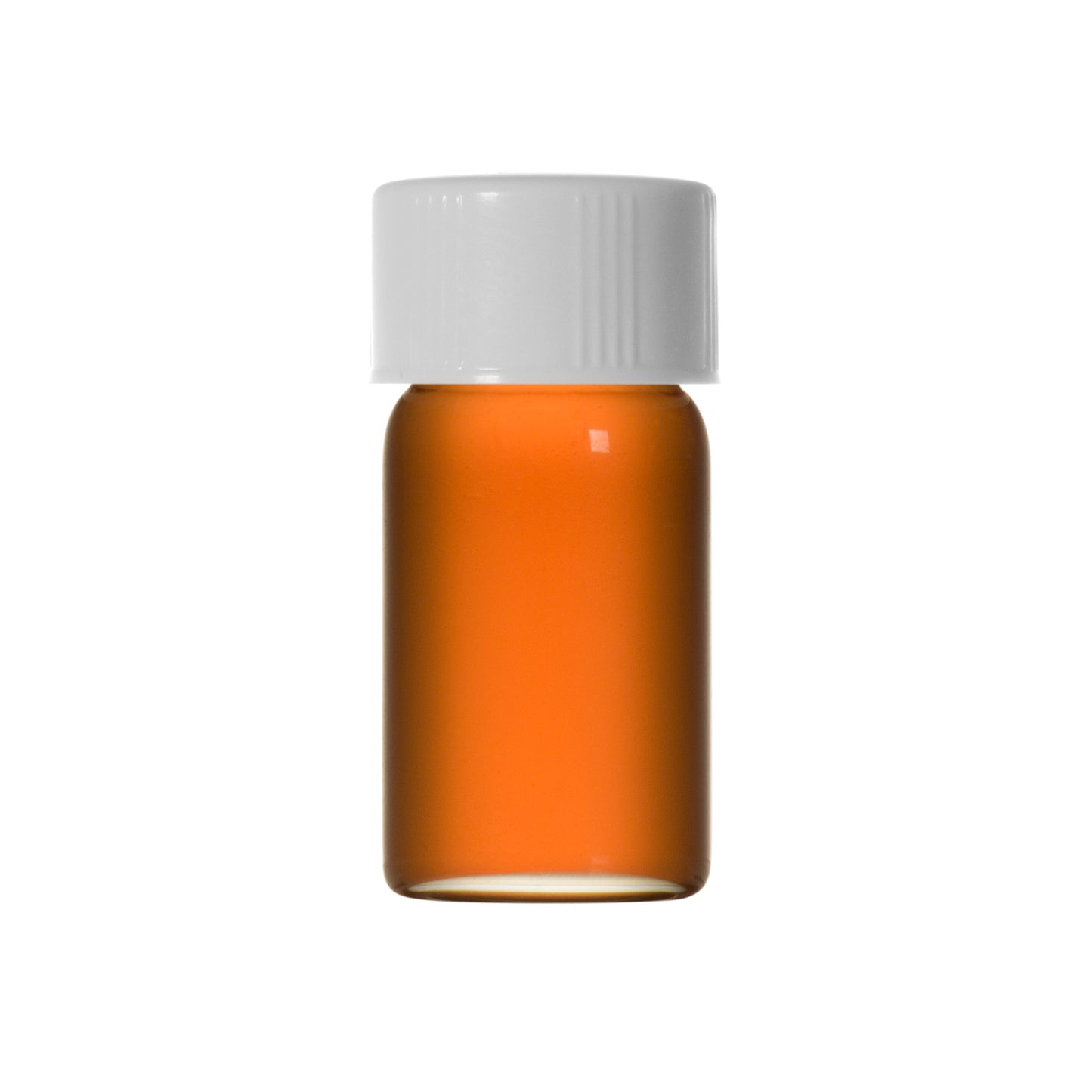
THE CONCENTRATED ARNICA ELIXIR
Admirable Arnica Flower Essence is a hearty, mountain-flower elixir essential to every aromatic apothecary. Emerging from high-altitude slopes, the formidable Arnica flower finds its forte in restoring skin, melting muscle tension, and harmonizing the scalp. Where arnica was traditionally available only as a mild herbal infusion, Living Libations offers the best evolution of this botanical legend: a full-spectrum CO2 total extract of Arnica montana. For centuries, herbalists made skin preparations with traditional macerations to harness the comforting caress of the Arnica flower. However, as extraction methods have evolved, so has the ability to capture the complete, full-spectrum phytochemistry of the flower. Yielding 100 to 200 times the concentration of active soothing esters found in standard macerations, this CO2 total extract is the gold standard for high-performance skin applications.
Both Arnica and Calendula (Calendula officinalis) belong to the vibrant Asteraceae (daisy/sunflower) family. These sister flowers are celebrated in phytochemistry for alchemizing rare triterpenediol esters, specifically faradiol and arnidiol esters, which are historically known for calming and cushioning tender tissues and skin soothers. The concentrated CO2 extract is the only way to gently lift these lipophilic, skin-soothing molecules intact, making full-spectrum Arnica and Calendula CO2 extracts the supreme heavyweights of skin restoration.
CO2 Total Extract
Differing from steam distillation and herbal infusion, pure pressurized carbon dioxide extraction occurs at gentle, low temperatures, lifting the complete phytochemical profile from the petals without chemical solvents or degrading heat. This method captures the full spectrum of the flower’s offerings, yielding a bright-orange, highly concentrated viscous liquid. Boasting 100 to 200 times the active molecular density of traditional steeped oils, it successfully extracts both volatile aromatic compounds and denser, non-volatile lipophilic actives, including maximum concentrations of sesquiterpene lactones (helenalin esters), triterpenediols (faradiol esters), and a rich matrix of plant waxes and fatty acids that deliver actual physical weight and nourishment directly to the lipid barrier.
Herbal Infusion
This is the most common and historically accessible form of Arnica oil. It is created through a traditional maceration process by steeping dried Arnica petals in a carrier oil, such as olive oil, for weeks or months. Over time, the oil slowly absorbs a fraction of the plant's fat-soluble properties. While it captures basic oil-soluble elements and offers a mild, soothing touch, it lacks the concentrated molecular weight and skin-soothing waxy fractions found in a CO2 extract.
Homeopathic Topicals
Homeopathic Arnica is widely recognized in commercial ointments (such as Traumeel), gels, and pellets. Operating on the principles of energetic or micro-dose medicine, the homeopathic process involves extreme serial dilution (often ranging from 6X to 30C) in water or alcohol, to the point where little to no physical molecules of the original plant remain in the final formula. While it offers subtle energetic support for bumps, it lacks the actual raw phytochemistry, lipids, and plant fats needed to physically benefit the skin barrier.
Steam Distilled Essential Oil
Though rare, Arnica can be steam distilled. The high heat of this process distills only the lightest, most volatile aromatic molecules from the plant matter, completely leaving behind the beneficial, heavy lipid-soluble compounds that give Arnica its famous skin-soothing properties.
“Miracle oil! For skin trauma, nothing beats this oil. Save yourself the cash and add a small amount to your other healing salve, lotion or Oil or put on skin directly. Amazing results.”
— Monica
"Arnica Oil is a yellow-orange, dark amber colored, viscous liquid of intensely herbaceous-sweet, tealike, somewhat spicy, powerful and very tenacious odor. The dryout is bitter, tealike and very pleasant. The odor of the oil resembles that of chamomile..."
— Steffen Arctander, Perfume and Flavor Materials of Natural Origin
"Arnica Oil is used as a fragrance ingredient in cosmetics, perfumes, and hair tonics; also utilized in anti-dandruff preparations." — Julia Lawless, The Encyclopedia of Essential Oils
"Extracts of Arnica montana provide terpenoids and volatile components to maintain the normal function of the sebaceous glands, making it a valuable addition to hair tonics and dandruff-control formulations."
— Medicinal Plants Used in Cosmetics for Skin and Hair Care
"Arnica essential oil is occasionally used in perfumes and other cosmetic preparations, as well as in hair tonics and anti-dandruff lotions."
— Ed. Jeffrey B. Harborne and Herbert Baxter, Chemical Dictionary of Economic Plants
DISTILLATION DETAILS + APPLICATIONS
Arnica Flower Oil is a targeted topical elixir for body, scalp, and skin restoration. Yielding over 100 times the active molecular density of traditional herbal infusions, its concentration as a full-spectrum CO2 total delivers an unparalleled level of botanical potency, harnessing the heavier plant waxes, resins, and complex lipophilic esters that simple steeping leaves behind. Massaging these natural sesquiterpene lactones and fatty acids into the skin and scalp invigorates sluggish roots, balances sebaceous flow, and acts as a comforting skin soother. Traditional arnica oils are crafted by steeping dried petals in carrier oil at a mild 1:5 or 1:10 maceration ratio, yielding a gentle, diluted base. In contrast, our supercritical CO2 extraction captures the pure, undiluted resinous waxes and active esters of the blossom intact. A mere 1 mL (approx. 30 drops) of this CO2 total blended into 1 oz (30 mL) of Jojoba provides a rich, standardized concentration of active sesquiterpene lactones and faradiol esters that far surpasses a bottle of herbal infused oil. Just a few drops deliver maximum restorative effect.
ARNICA DIY RECIPES
Arnica Muscle-Melt Liniment
A subtly warming massage oil. Instructions: Combine in a dark glass bottle. Massage thoroughly into overworked shoulders, legs, or lower back after a warm bath or workout.
30 mL Jojoba
40 drops Arnica
12 drops Ginger
10 drops Cypress
12 drops Juniper
10 drops Marjoram
Arnica Soothing Skin Serum
A restorative, barrier-cushioning facial and spot serum. Instructions: Blend ingredients in a glass dropper bottle. Press 2–3 drops onto clean, damp skin or localized areas needing extra TLC.
30 mL Jojoba Oil
20 drops Arnica
20 drops Immortelle, Frankincense, Rose Otto, Ylang or Palmarosa
20 drops Seabuckthorn Berry
Arnica Scalp Reset
A balancing pre-wash scalp treatment. Instructions: Section dry hair and apply a few drops directly to the scalp. Massage with fingertips for 5 minutes. Leave on for 20 minutes or overnight before shampooing.
30 mL Jojoba Oil
20 drops Arnica
6 drops Rosemary
4 drops Cedarwood
4 drops Peppermint
Botanical Name: Arnica montana
Botanical Family: Asteraceae
Extraction Method: Supercritical CO2 Extract Total
Part of Plant Distilled: Flowers
Ingredients: 95% Organic Arnica montana + 5% Organic Lavender Essential Oil (Lavandula angustifolia)
Consistency: Viscous. Arnica CO2 total extract is naturally thick and semi-solid; the addition of 5% organic Lavender essential oil acts as a natural, organic solvent to maximize pourability, workability, and fluid compatibility when blending into custom serums. If cool, warm the glass bottle in your hands or gently remove the drop reducer to pour.
Country of Origin: Bosnia
Cultivation Method: Organic
Scent Description: Deeply herbaceous, tea-like, and earthy with a soft lavender whisper.
Blends Beautifully With: Lavender, Calendula, Seabuckthorn, Peppermint, Marjoram, Juniper, Cypress, Ginger, Wintergreen, Lemongrass, Palmarosa, Immortelle, and Vetiver.
Contraindications: For external, topical application only. Do not ingest, and do not apply to open wounds, bleeding tissue, or broken skin. Avoid direct application around the delicate eye area. In the book, Essential Oil Safety, experts Robert Tisserand and Rodney Young highlight that Arnica contains sesquiterpene lactones (such as helenalin) the potent plant compounds that deliver special skin-soothing benefits, yet have a moderate risk of skin sensitization if applied neat or over-concentrated. Following standard common sense safety guidelines, Arnica is an essence to be used with diluted care. Cosmetic science suggests keeping topical dilutions low, typically 0.5% to 5%. Blending a small amount of this concentrated CO2 total into organic carrier oil unlocks its benefits while keeping skin balanced.
The Phytochemistry of Arnica: Active Esters + Balanced Lipids
Our Arnica Flower CO2 extract manifests as a thick, vibrant, amber-orange liquid laden with full-spectrum lipophilic therapeutics. At the core of its comforting action are naturally occurring sesquiterpene lactones, specifically helenalin and dihydrohelenalin esters, celebrated in botanical literature for their ability to soothe physical impact, ease overworked tissue, and harmonize scalp microflora. In botanical chemistry, esters are nature’s bio-compatible organic bonds that attach beneficial molecules to plant fats. These ester bonds stabilize the active compounds and enhance skin affinity, ensuring the plant’s soothing properties smoothly integrate with outer skin layers. Working in synergy with these active esters are heavy, resinous triterpenediols, including faradiol and arnidiol esters, which cushion reactive or tender tissue. Beyond these volatile and resinous actives, the extract reveals a rich, bio-compatible lipid architecture featuring a beautifully balanced omega profile. The matrix highlights 49.42% Linoleic Acid, a skin-harmonizing Omega-6 that acts as a silky, featherlight carrier, smoothly conveying active plant compounds across outer skin layers while supporting natural lipid elasticity. This nurturing Omega-6 is gracefully balanced by 34.04% Oleic Acid, a rich Omega-9 that bestows a lush, cushiony slip ideal for restorative massage, while a structural 12.29% saturated fatty acid base of Palmitic and Stearic acids supplies natural plant waxes to fortify the skin and seal the moisture barrier.
View or download the Certificate of Analysis.
This essential oil is verified, genuine distillation, third-party tested to ensure 100% purity.
FREQUENTLY ASKED QUESTIONS
How is this CO2 extract different from traditional infused arnica oil?
Traditional arnica oil is made by steeping dried flower petals in a carrier oil, such as olive, for several weeks, yielding a mild, diluted infusion. Living Libations Arnica essence extract is created by supercritical CO2 extraction to capture the pure, unadulterated phytochemical-foundation of the plant without heat or solvents. This yields a dense, highly concentrated extract abundant with active faradiol esters, sesquiterpene lactones, plant waxes, and essential fatty acids. A single milliliter (~20 drops) of this CO2 total blended into a carrier oil delivers exponentially more botanical potency than a bottle of classic macerated Arnica.
Why is 5% Organic Lavender Essential Oil included in this formula?
Raw, unrefined Arnica CO2 total extract is naturally thick, resinous, and viscous. Organic Lavender essential oil acts as a compatible, natural botanical solvent, gently keeping the plant waxes a little more liquid to impart seamless pourability, workability, and shelf stability for your own Arnica alchemy. Lavender was chosen because its own skin-soothing phytochemistry seamlessly complements Arnica for body, scalp, and skin restoration.
Is this the same as homeopathic arnica gels or ointments?
They operate on entirely different botanical principles. Homeopathic arnica relies on progressive serial dilutions (such as 6X to 30C) in water or alcohol, resulting in an energetic micro-dose with negligible to zero physical plant molecules remaining. In contrast, our full-spectrum CO2 total extract is the physical, lipid-rich essence of the flower, delivering pure active plant molecules, protective waxes, and essential fatty acids directly to the skin barrier.
Can I apply Arnica Flower Oil to open wounds or ingest it?
Arnica Flower Oil is exclusively for external, topical application on intact skin. This concentrated extract essence must always be used properly diluted; because its potent sesquiterpene lactones (such as helenalin) can trigger skin sensitization, a localized contact sensitivity, distinct from photosensitization, or cause irritation if introduced to open wounds, broken skin, or the delicate eye area.